


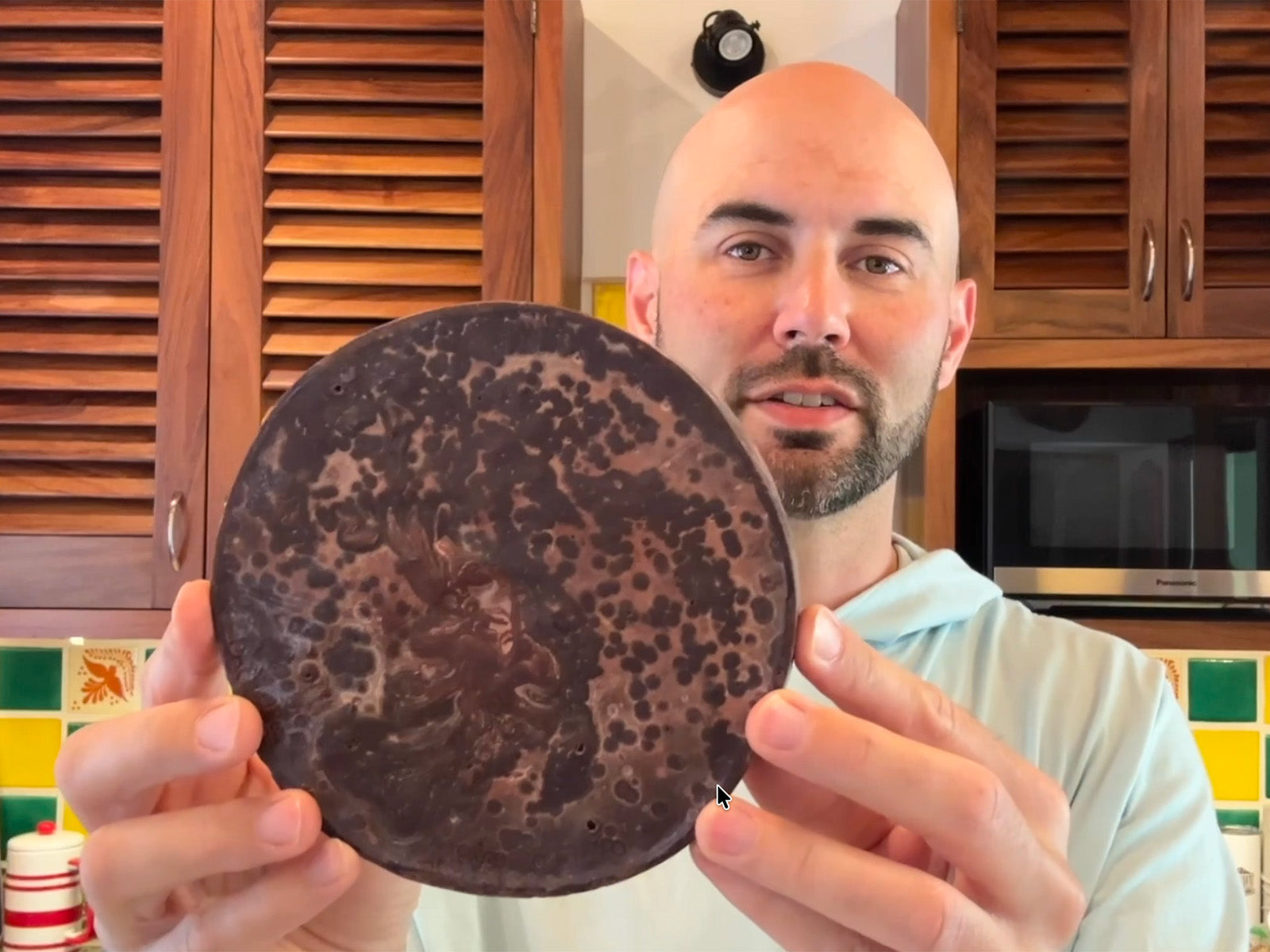


Soul Lift Cacao has long been a leader in lab testing of ceremonial cacao. That continues today and in the future.
On my spring 2026 journey through South America, I visited cacao farms i...&media=//soulliftcacao.com/cdn/shop/articles/cacao_seeds_in_bowl_magnifying_lines_salmonella_4-3_b19b5b66-f7bb-4b9f-99bd-646f308a47f8_600x.jpg?v=1783785323)
I used this for an autumn equinox cacao journey that invited the group to connect with our inner child. This cacao facilitated a beautiful heart opening experience.
I'm trying to quit caffeine and am using this as a transitional tool to ween myself off. I enjoy the taste and the effects. Calming, grounding and soothing. Thank you, great product!
Absolutely incredible cacao!
I’m honestly blown away by this cacao. The flavor is so rich, earthy, smooth and deeply chocolatey without tasting overly processed or artificial. You can really taste the quality and craftsmanship that went into it. What makes me love it even more is knowing where my money is going. Soul Lift Cacao works directly with small family farms and Indigenous cacao making communities in Latin America, rather than treating cacao like just another commodity. The Ruk’u’x Ulew cacao I purchased is made by a Maya women’s collective in Guatemala, where the beans are selected by hand, roasted over a wood fire, hand-peeled and minimally processed into cacao paste using traditional methods. 🙏💙 That means I’m not just buying a beautiful cacao, I’m supporting the people and traditions that have been caring for cacao for generations. There’s something really special about knowing the product in my cup has such a direct connection to the land, the culture and the people who made it.... and the taste? WOW 😋. This is nothing like ordinary cocoa powder or heavily processed chocolate. It feels like an entirely different experience.... Rich, grounding, and incredibly satisfying. I’m so happy I chose Soul Lift Cacao, and I’ll absolutely be buying it again. Supporting ethical, transparent sourcing while getting an exceptional product is a win/win in my book. Highly, highly recommend.
Mitla is my favorite cacao. It tastes delicious and is also a grounding and beautiful heart opener. It is also sourced with such integrity.
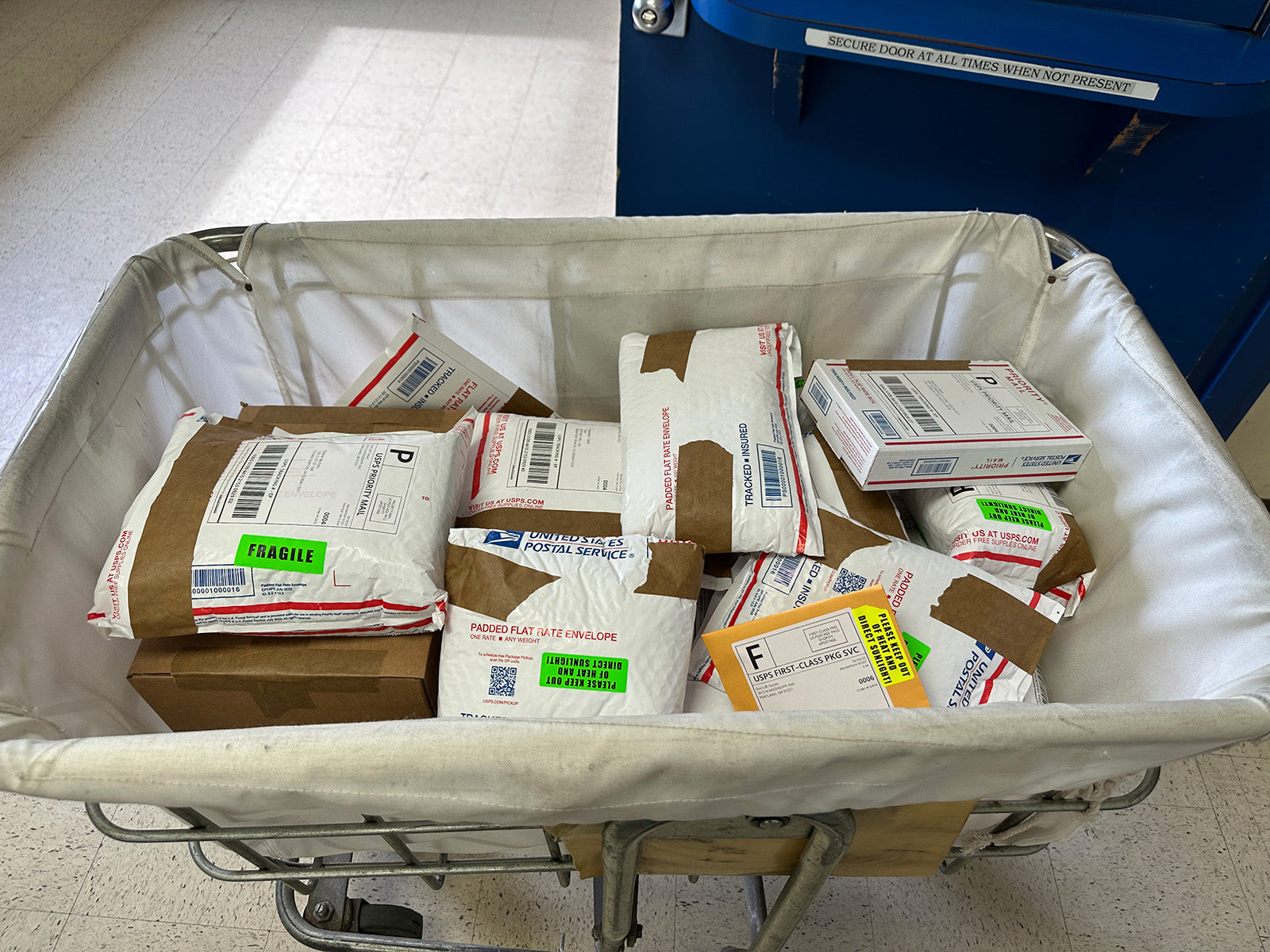
I saw this company was one of several highly recommended places to buy high quality ceremonial grade cacao and chose to order from them based on the reviews, the companies' mission, and the lab testing to ensure high quality. Since I was new to this, I decided on this one since a lot of people had tried it and really liked it, and I found all of the details provided in the cacao's profile very helpful. There was also lots of informational videos about where it comes from, interviews with the people that grow it, and the relationships this company has with the people very heartwarming. The package arrived very well packed so it would travel well at any time of the year and I ended up making a ceremonial dose (roughly 25 grams) as my first cup and went into meditation. My experience was truly quite amazing and I could feel my pineal gland tingling and I felt a wave of clarity, positivity, love and gratefulness flow through me. Many emotional roadblocks I had been experiencing felt distant and softened which allowed me to focus more clearly on my true intentions. The profile of the cacao is excellent, this one does not have as much of a bitter bite and can be enjoyed without adding anything to it such as sugar, honey or milk and is a great replacement for coffee as it can be very energizing without jitters or crashes. I have since reduced my amount down to roughly 12-15 grams a day and do short meditations each day when enjoying a cup in the morning and it has been one of my favorite things to look forward to in the morning! I would highly recommend this cacao and supporting this company to those looking for a good source. I especially appreciate the relationship you have with the people that make this which I think plays a big role in the quality of this cacao. There are so many companies whose focus is solely on profit and so many of them fail to provide anything that makes a positive difference in people's lives and the world as a whole. I am very appreciative this company is focused on providing good quality and building good relationships with the people they work with, and when combined allows profit and abundance to flow naturally. I am glad I stumbled upon this company and hope this review helps others with their decision on what cacao to invest in!
With Love and Gratitude,
Leslie